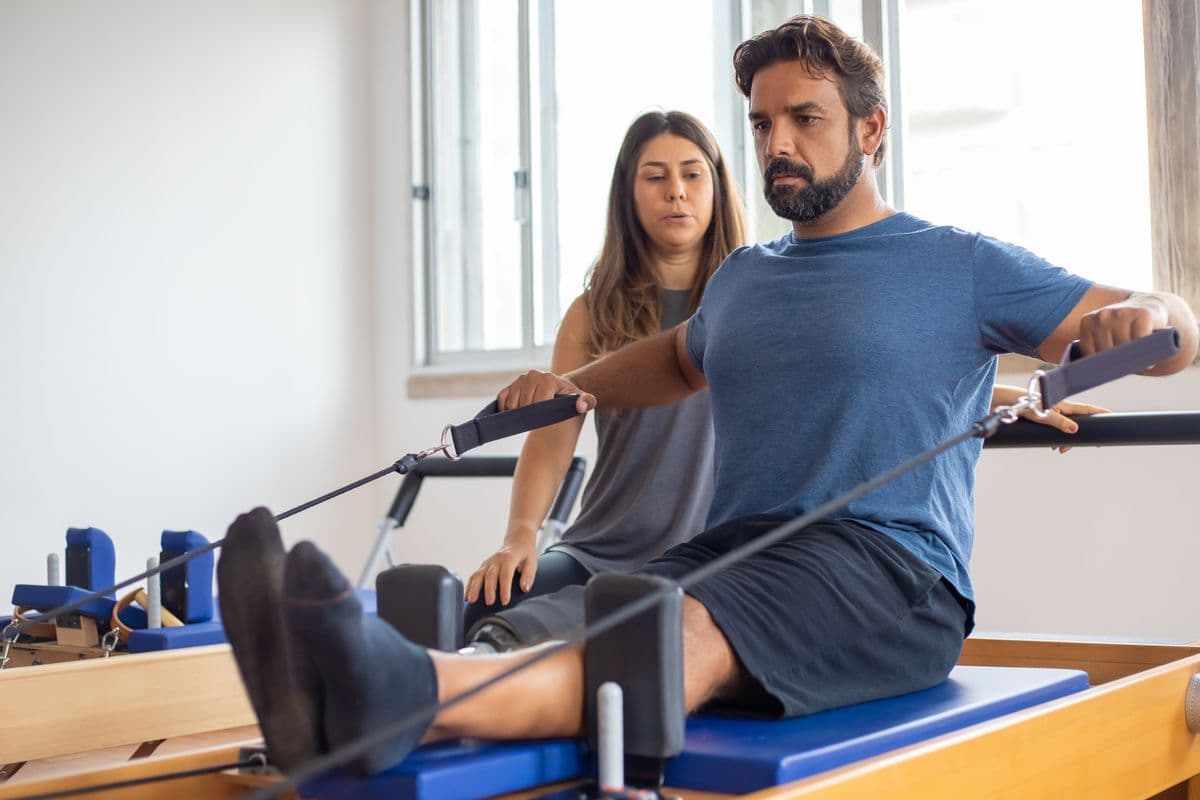
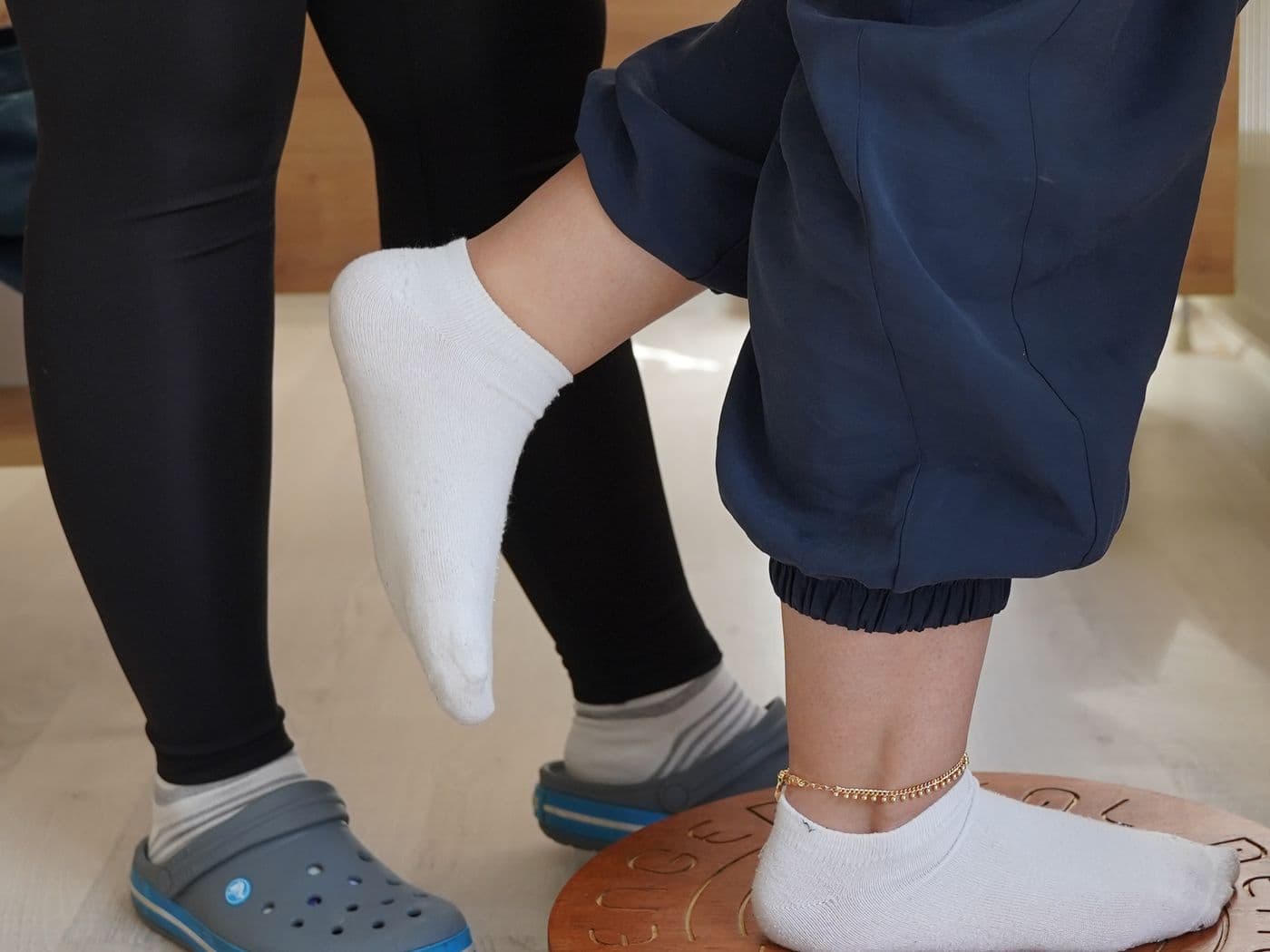
Balance naturally gets harder with age, but the good news is it responds well to practice, and better balance is one of the best ways to stay steady and prevent falls.
Why balance matters as we age
Balance relies on strength, the signals from your joints and muscles, your eyes and your inner ear, and all of these can fade a little with age or inactivity. The result is feeling less steady, which can knock confidence and raise the risk of a fall.
The encouraging part: balance is trainable at any age. Practised safely and regularly, it improves.
How balance training usually works
A good programme starts where you are and builds up gradually: steady standing, then shifting weight, reaching, turning and stepping, always with something sturdy to hold if you need it.
Strength work for the legs goes hand in hand with balance, because steadiness depends on having the strength to catch and correct yourself.
When to see a physio
If you've had a fall, a near-miss, or just feel less steady, a physiotherapist can assess what's affecting your balance and build a safe programme around you. See our falls prevention & balance page, or come and see us.
This is general information, not medical advice. For a diagnosis and a plan for your situation, come and see us.